Di zang jing chinese

Di Zang Jing

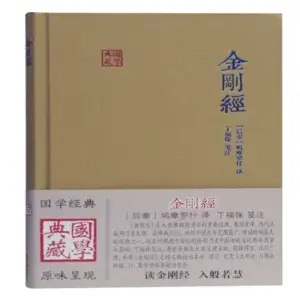
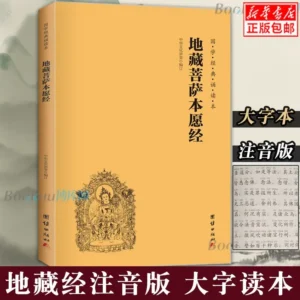
The “Di zang jing” is a principal Buddhist scripture. In the 7th century BC, the eminent monk Shijianantuo of the Tang Dynasty translated the Sanskrit version of the Ksitigarbha Sutra into Chinese. It mainly narrates the following:

1. The hellish retribution that sentient beings experience due to their actions, speech, and thoughts (such as killing, sexual misconduct, and slandering the Three Jewels).

2. This is the Buddhist Classic of Filial Piety. Through the stories of the Brahmin woman and the woman with bright eyes saving their mothers, it highlights that the merit of filial piety can benefit the deceased.

3. By chanting the name of Ksitigarbha, creating statues or paintings of him, and reciting the sutra as an offering, one can eliminate disasters and increase blessings.

4. Hearing the name of Ksitigarbha at the time of death, or having relatives perform meritorious deeds on one’s behalf, can eliminate grave sins.

Centered on “filial piety” and “great vows,” the sutra advocates that sentient beings cease evil and practice good, relying on the vow power of Ksitigarbha Bodhisattva to be liberated from suffering and ultimately attain enlightenment. Read more chinese di zang jing. 

The Causal World disseminates the concept of karmic retribution from the di zang jing helping people to believe in karma and Buddhist teachings. It opens up wisdom and brings health, wealth, happiness, peace, smoothness, and so on in life.

Almsgiving of Buddhist Sutras

We propagate Mahayana Buddhism and offer Buddhist sutras through dāna (merit-based donation) of $0.1, with complimentary shipping included.

di zang wang pu sa
di zang wang pu sa

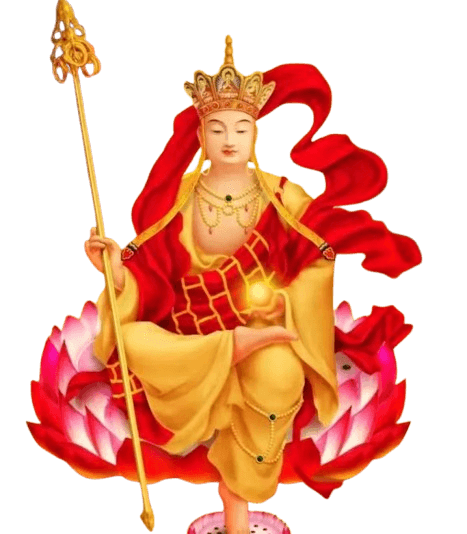
Who is Di Zang Wang Pu Sa?

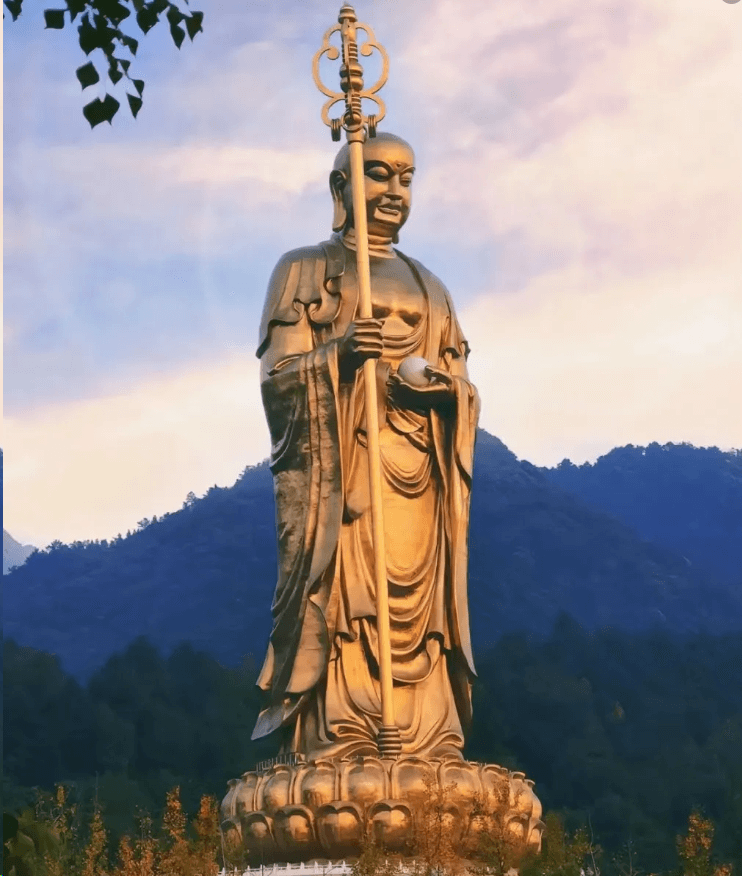
The Di Zang Wang Pu Sa is a great Bodhisattva with immense vows. With his boundless compassion and vow power, he specifically saves the most suffering beings from the hells and the six realms of existence.

1. The Bodhisattva King of the Underworld, also known as “Di Zang Wang Pu Sa,” has the Sanskrit name Kṣitigarbha.

2. The grand vow: “I will not attain Buddhahood until all the hells are empty; I will not reach enlightenment until all beings are saved.”

3. He is dedicated to rescuing the most suffering beings from the hells and the six realms of existence.

4. Di Zang is celebrated alongside Avalokiteśvara, Mañjuśrī, and Samantabhadra as one of the “Four Great Bodhisattva Spirits.”

Ksitigarbha meaning

After the parinirvana of Shakyamuni Buddha and before the emergence of Maitreya Buddha, he helps sentient beings, serving as the Dharma protector and guide for beings in the six realms of existence.

The Di Zhang Jing Sutra

The Heavenly Palace of Trayastrimsha and the Display of Supernatural Powers

The Buddha expounds the Dharma for his mother in the Trayastrimsa Heaven. Buddhas and bodhisattvas from the ten directions gather to praise him, revealing the grand vows of Ksitigarbha Bodhisattva to liberate all beings across countless kalpas

The Assembly of the Multitudinous Manifestations

Billions of manifestations of Ksitigarbha Bodhisattva assemble in the Trayastrimsa Heaven. The Buddha entrusts him with the task of liberating all unenlightened beings in the Saha World, ensuring they forever escape suffering.

Observing the Karmic Conditions of Sentient Beings

Ksitigarbha Bodhisattva answers Queen Maya, detailing the karmic retribution for the misdeeds of beings in Jambudvipa (such as unfilial conduct, slandering the Triple Gem, or stealing from monastic communities), which lead to rebirth in the Avici Hell.

The Karmic Retribution of Sentient Beings in Jambudvipa

Through stories of the Elder’s Son and the Brahmin Girl, who made vows to save their mothers, the text illustrates how Ksitigarbha Bodhisattva vowed to liberate all beings out of filial piety, and how beings who revere him under the guidance of virtuous friends can avoid evil destinies.

The Names of the Hells

In response to Samantabhadra Bodhisattva’s inquiry, Ksitigarbha Bodhisattva enumerates the names of hells within the Iron Ring Mountains (such as the Ultimate Avici and the Great Avici) and the sufferings beings endure there due to their karmic actions.

The Buddha's Praise

The Buddha praises the majestic powers of Ksitigarbha Bodhisattva, proclaiming the benefits for those who recite his name or make offerings, such as being reborn in heavenly realms a hundred times and avoiding evil destinies, along with the merits of reciting the sutra on the ten fasting days.

The Benefits for the Living and the Deceased

Ksitigarbha Bodhisattva explains how living relatives can perform virtuous acts (such as reciting the Buddha’s name or making offerings to images) to help the deceased eliminate karmic obstacles. He emphasizes that “cultivating merits while in good health” far surpasses performing virtuous deeds for the deceased.

The Praise of the Kings of Hell and Their Retinue

Yama, the King of the Underworld, and numerous ghost kings assemble to praise Ksitigarbha Bodhisattva’s salvation of beings. The Chief Life Guardian Ghost King recounts his vows to protect beings during life and death, explaining how those on the verge of death can avoid evil destinies by hearing the Buddha’s name.

The Merits of Reciting the Buddha's Name

Ksitigarbha Bodhisattva speaks of the merits of reciting the Buddha’s name (such as the Tathagata with Boundless Body and the Tathagata with Precious Victory), which can eliminate heavy sins and lead to rebirth in the Pure Land. A single Buddha’s name “once heard by the ear, forever becomes the seed of the path.”

The Comparison of the Merits of Giving

The size of the merit of giving depends on the mind, giving with a humble and smiling heart is the best, and repairing pagodas and images brings boundless blessings. “Give one and get ten thousand in return,” the greatest merit is to dedicate to the Dharma realm.

The Earth Deity's Protection of the Dharma

The Earth Deity, Firm and Steady, vows to protect those who offer to Ksitigarbha Bodhisattva, making their land fertile and their homes ever peaceful. Offering to the image of Ksitigarbha brings “ten kinds of benefits,” such as abundant clothing and food, and freedom from calamities.

The Benefits of Seeing and Hearing

The Buddha emits light and speaks of the benefits of seeing, hearing, and paying respects to Ksitigarbha Bodhisattva in this life, such as eliminating illness, avoiding disasters, and increasing blessings and longevity. Reciting the name of Ksitigarbha ten thousand times, “unfortunate matters gradually disappear.”

Entrusting to Humans and Deities

The Buddha entrusts the sentient beings of the Dharma-ending Age to Ksitigarbha Bodhisattva, and instructs humans and deities to protect this sutra. Ksitigarbha Bodhisattva promises “until the hells are empty, I vow not to become a Buddha,” and all sentient beings who have a single thought of reverence are saved.

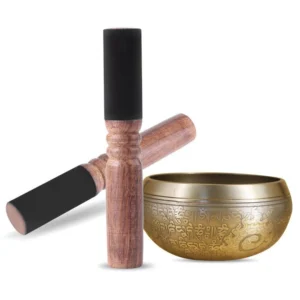
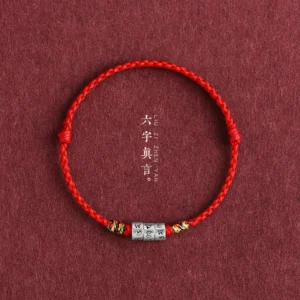
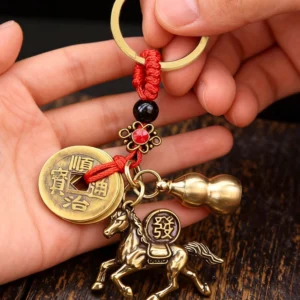
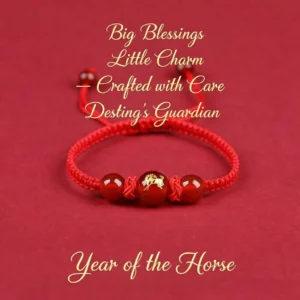
Chinese Cultural Artifacts

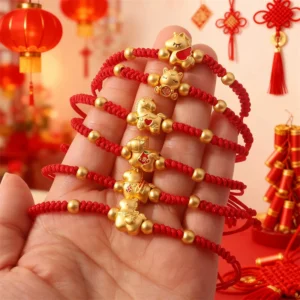
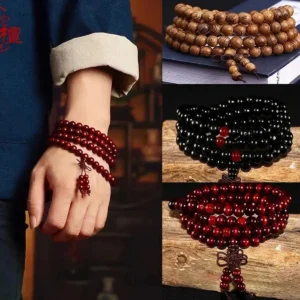
We offer curated Chinese cultural artifacts. Should any piece resonate with you, simply place your order to receive it with complimentary global shipping.

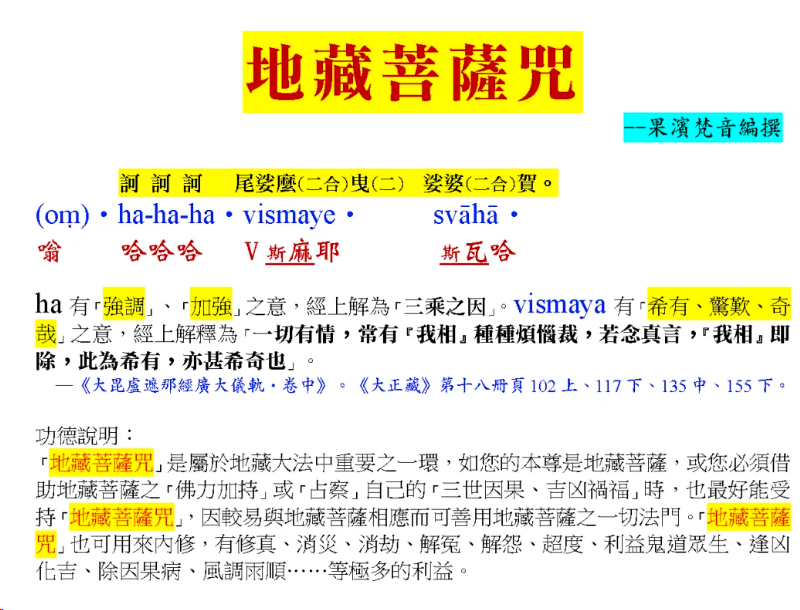
Di zang jing mantra

The di zang jing mantra is a supreme Buddhist esoteric mantra.

  • Simplified: 嗡,呵呵呵,微斯摩耶,梭哈
  • Sanskrit: Om hahaha vismaye svāhā
  • English: Buzz, ho-ho-ho, micro-smokey, stud

This mantra originates from the great vow power of Ksitigarbha Bodhisattva and can eliminate disasters, pray for blessings, increase wisdom, purify the mind, and bring peace to the body and mind. Learn more

The previous incarnations of Ksitigarbha Bodhisattva

jiu hua shan di zang wang pu sa

Di zhang wang,Known as the “Bodhisattva King Ksitigarbha of Great Vows,” based on the “Sutra of the Past Vows of Ksitigarbha Bodhisattva” and the six Dharma manifestations for saving beings in the six realms.

  1. 婆罗门女 Brahmin Maiden
  2. 光目女 Daughter of Bright Eyes
  3. 大长者子 Son of a Wealthy Elder
  4. 小国王 Minor King
  5. 金乔觉(金地藏)Golden Enlightenment
  6. 檀陀地藏 Dant Ksitigarbha
  7. 宝珠地藏 Treasure Pearl Ksitigarbha
  8. 宝印地藏 Treasure Seal Ksitigarbha
  9. 持地地藏 Earth Guardian Ksitigarbha
  10. 除盖障地藏 Obstacle-Removing Ksitigarbha
  11. 日光地藏 Sunlight Ksitigarbha

He has manifested many times in past lives to fulfill his great vow: not to attain Buddhahood until all beings are saved, and not to become a Buddha while hell is not empty, 眾生度盡,方證菩提;地獄不空,誓不成佛. Learn more

Di zang wang pu sa birthday

According to the “Sutra of the Past Vows of di zang wang pu sa” and related Buddhist traditions, the birthday of Ksitigarbha Bodhisattva is:
1. The last day of the seventh lunar month in China.
2. If the month does not have a thirtieth day, it is the twenty-ninth.
3. This day is called the “Ksitigarbha Festival.” It originates from the extraordinary vows and virtues of Ksitigarbha Bodhisattva to save sentient beings.

Devotees often recite scriptures, make offerings, and chant the name of the Bodhisattva on this day, dedicating the merits to all beings in the six realms, in accordance with the great vow of Ksitigarbha Bodhisattva, “I vow not to become a Buddha until the hells are empty.”.

Gong Feng to Buddha and Pu Sa

Gong Feng to Buddha and Pu Sa of Mahayana Buddhism in this virtual temple. Promote Mahayana Buddhism and save people as fate dictates. Bodhisattvas fear the cause. All living beings are afraid of consequences. There is no way for blessing or misfortune. Only people recruit themselves. Know cause and effect. Cut off evil and cultivate good. Don’t do any evil. Do good deeds.

Shi Jia Mo Ni Pu Sa

Shi Jia Mo Ni Buddha, originally named Siddhartha Gautama, was a member of the ancient Indian Sakya tribe and the founder of Buddhism. He attained enlightenment under a bodhi tree at the age of 35 and became a Buddha, and then preached in northern and central India.

A Mi Tuo Fo Pu Sa

A Mi Tuo Fo, in Sanskrit Amitābha, means "Buddha of Infinite Light" or "Buddha of Infinite Life", is the leader of the Western Paradise in Buddhism. He made forty-eight great vows to save all living beings and achieve infinite merits.

Mi Le Fo Pu Sa

Mi Le Fo, in Sanskrit Maitreya, is the future Buddha in Buddhism. It is said that he will come to the world 5.67 billion years after the death of Buddha Shakyamuni, become the next Buddha, and teach all living beings.

Di Zang Wang Pu Sa

DiZang Wang Bodhisattva, in Sanskrit Kṣitigarbha, is one of the four great bodhisattvas in Buddhism. He made a great vow that: Hell is not empty. I vow not to become a Buddha. All sentient beings are saved. Only then can you prove Bodhi.

Guan Yin Pu Sa

Guan Yin Bodhisattva, whose Sanskrit name is Avalokiteśvara, which means "observing the sounds of the world", is a bodhisattva of great compassion in Buddhism. He is the left attendant of Amitabha Buddha, and is known as the "Three Holy Ones of the West" together with Mahasthamaprapta Bodhisattva.

Yao Shi Fo Pu Sa

Yao Shi Fo Buddha, whose Sanskrit name is Bhaiṣajyaguru, means "Medicine Master Lapis Lazuli Light Tathagata", is the leader of the Eastern Pure Lapis Lazuli World of Buddhism. He made twelve great vows to relieve the diseases and sufferings of sentient beings and bring them peace and health.

About US

I was born in a small mountain village in western China.
We have the world’s most primitive Mahayana Buddhist cave carvings here, which are listed as a World Heritage Site by UNESCO.

When I was a child,I lived with my grandmother.On the first and fifteenth days of the Chinese lunar month,we would bring a small bag of rice and go to the Buddhist temple in the small mountain village to have vegetarian meals.We would burn incense,worship the Buddha,and pray for blessings.

Offering to Dizang Wang Pu Sha Mahasattva, majoring in the Ksitigarbha Sutra, Dizang  Pu Sha gave me great help. Helped me cure my illness and restore my health. Helped me find a good job. Helped me get a wishful baby. Thank you Dizang Wang Pu Sha. Follow Dizang Wang Pu Sha to help sentient beings and save those who are predestined. The Dazu Rock Carvings in Chongqing.

Causation World Blog

Promote Mahayana Buddhist knowledge and the law of cause and effect. Help people understand Buddhism and the law of cause and effect.

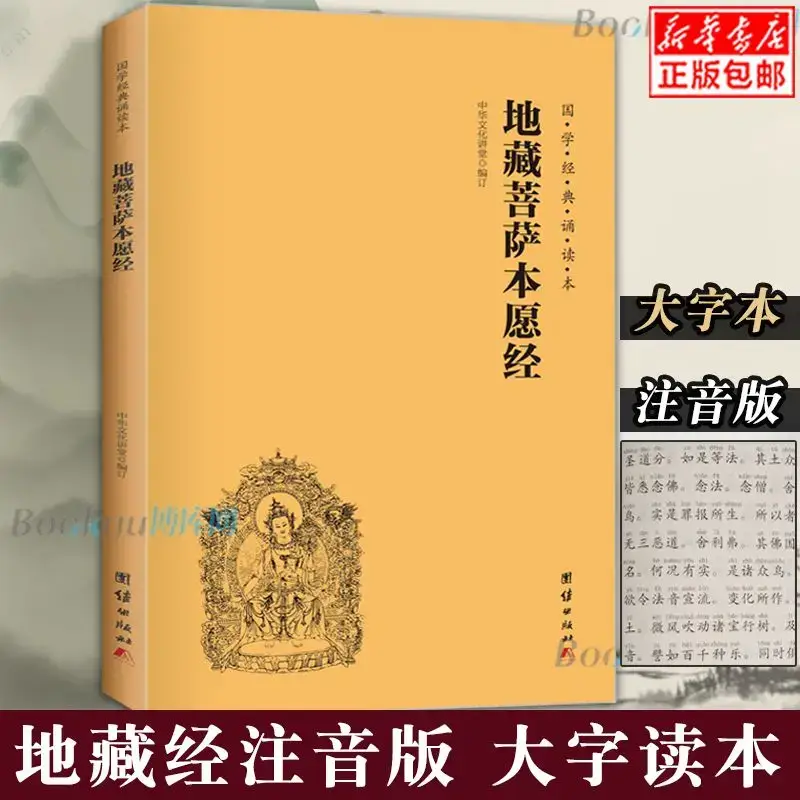
Di Zang Jing First Grade

When the Buddha was preaching the Dharma to his mother in the Heavenly Palace of Trayastrimsha, countless Buddhas and bodhisattvas from all directions, as well

Read More »

Ksitigarbha Bodhisattva Story

Ksitigarbha Bodhisattva is revered for his great vow to save all beings from suffering. His name and stories inspire countless devotees. The Meaning of Ksitigarbha

Read More »

jizo ksitigarbha mantra sanskrit

The Sanskrit Mantra of Jizo Bodhisattva is a supreme Buddhist secret mantra, which has the effect of eliminating disasters and praying for blessings, increasing wisdom

Read More »

What is namo dizang wang pusa

The phrase “Namo dizang wang pusa” is a term of respect for Jizo Wang Bodhisattvas, meaning “to Jizo Wang Bodhisattvas”. This phrase expresses a believer’s

Read More »

Subscribe to Our Newsletter

Subscribe to us, learn Mahayana Buddhism, know the law of cause and effect, and help others together.